Voice Actor's Fight Against AI Impersonation
Kenjirō Tsuda sues TikTok over unauthorized voice use
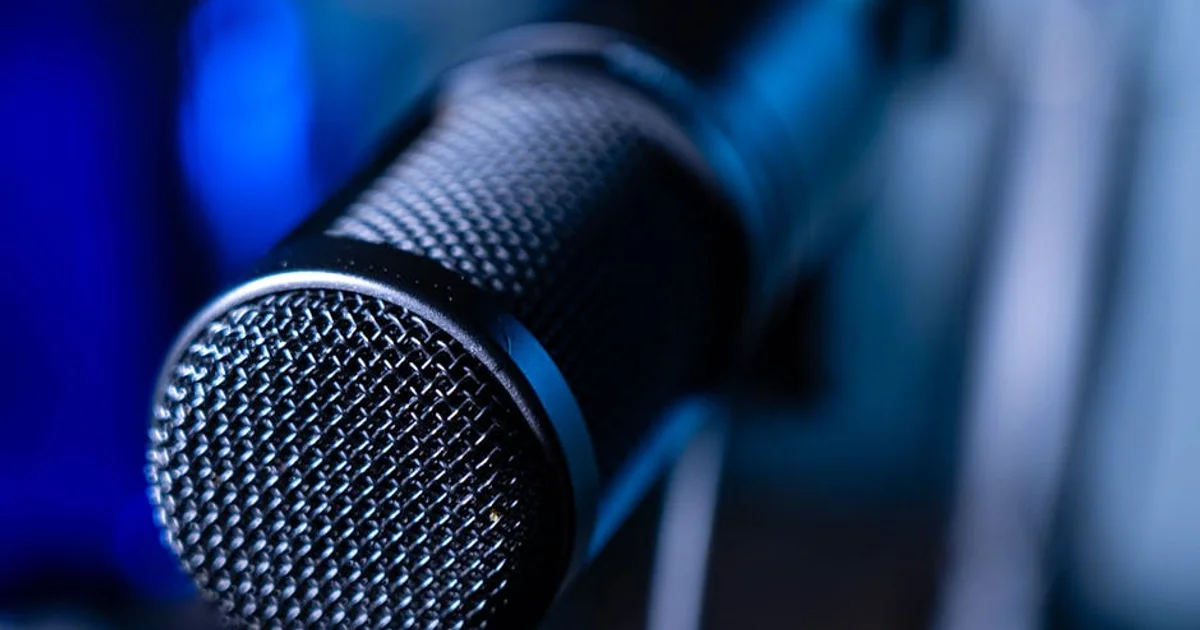
Imagine waking up one morning to find that your voice, your unique identity, is being used without your permission. This is the harsh reality that Japanese voice actor Kenjirō Tsuda is facing, as he claims that TikTok has been using his voice in AI-generated narrations for videos on their platform. The emotional impact of such a violation cannot be overstated, as it strikes at the very core of a voice actor's being.
According to Anime News Network, Tsuda filed a lawsuit against the operator of TikTok last November, alleging that the company has been using his voice in AI-generated content without his consent. The lawsuit claims that the AI-generated narrations for videos on the platform imitate Tsuda's voice, which is a clear infringement on his rights as a voice actor. This case highlights the growing concern over the use of AI-generated content and the potential for misuse of voice actors' intellectual property.
The voice-over industry is closely watching this case, as it has significant implications for the future of voice acting and content creation. Voice actors like Tsuda have spent years honing their craft, building their brand, and creating a unique sound that is recognizable to fans around the world. The use of AI-generated content that mimics their voice without permission is not only a violation of their rights but also a threat to their livelihood. If companies like TikTok are allowed to use AI-generated content without consent, it could lead to a devaluation of the voice-over industry as a whole, making it more difficult for voice actors to earn a living from their work.
This case also raises important questions about the social and cultural impact of AI-generated content. As AI technology becomes more advanced, it is becoming increasingly difficult to distinguish between what is real and what is fake. The use of AI-generated content that mimics real people's voices can be used to spread misinformation, manipulate public opinion, and even commit fraud. The potential consequences of such actions are far-reaching and could have a significant impact on society as a whole.
The emotional and social implications of this case cannot be overstated. Voice actors like Tsuda are not just fighting for their rights; they are fighting for the integrity of their craft. They are fighting to ensure that their unique voices are not used to deceive or manipulate others. As the use of AI-generated content becomes more widespread, it is essential that we consider the potential consequences of such actions and take steps to protect the rights of voice actors and other creators.
In conclusion, the case of Kenjirō Tsuda vs. TikTok is a wake-up call for the voice-over industry and the world at large. It highlights the need for greater awareness and regulation of AI-generated content and the potential misuse of voice actors' intellectual property. As we move forward in this rapidly changing world, it is essential that we prioritize the rights and dignity of voice actors and other creators, ensuring that their unique voices are not used to deceive or manipulate others. The future of the voice-over industry depends on it.
Original Source:
https://www.animenewsnetwork.com/news/2026-05-26/voice-actor-kenjiro-tsuda-sues-tiktok-for-alleged-unauthorized-generative-ai-use-of-his-voice/.237748Need an Authentic African Voice?
Professional Nigerian voice-over services for your global projects.
Get a Free QuoteAudio Cleanup Service
Professional audio cleanup for voice actors. Preview before you pay.
Learn MoreFree Voice Type Test
Discover your voice type in 60 seconds. Used by 1000+ voice actors.
Take Free Test