
AI Voices: The Future of Sound
Revolutionizing the voice-over industry with human-like AI
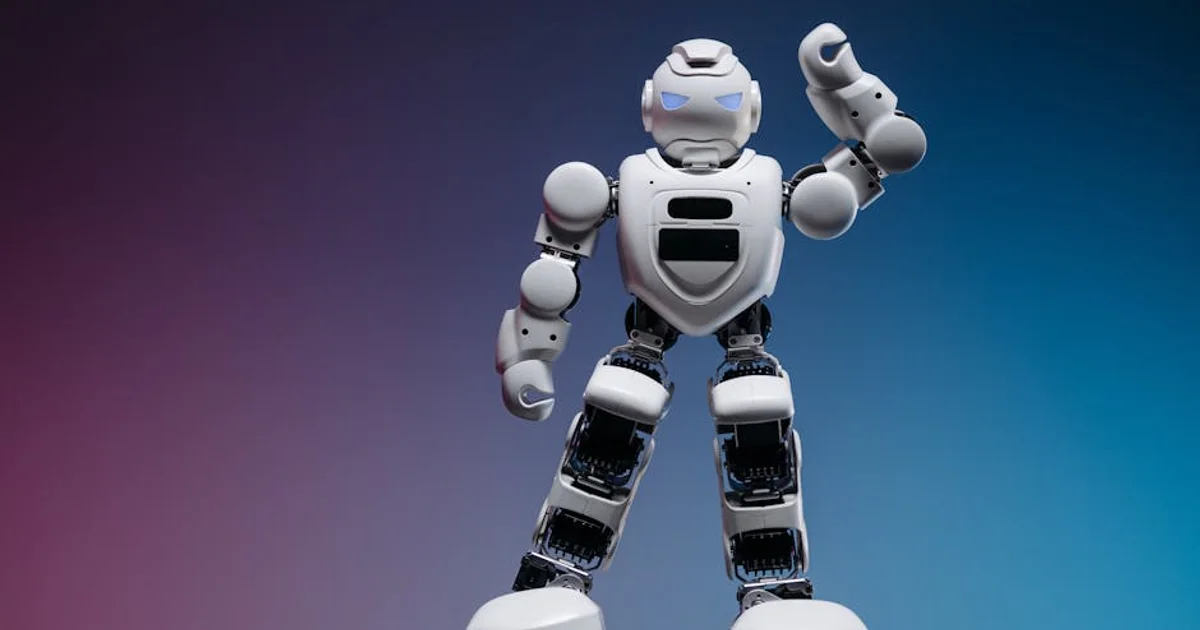
Imagine listening to a podcast or audiobook, completely enthralled by the narrator's voice, only to discover that it's not human. This is the reality of AI-generated voices, which have advanced to the point where they are almost indistinguishable from their human counterparts. According to Bitrebels.com, computers can now produce voices that are so convincing, many listeners forget they are listening to a generated narrator.
The technical advancements in synthetic speech have been rapid, with significant improvements in the past few years. This has led to a strategic shift in the way companies approach voice-over work. With AI-generated voices, content creators can produce high-quality audio without the need for human voice actors. This raises important questions about the future of the voice-over industry and the impact on voice actors.
The voice-over industry has long been a vital part of content creation, providing the voices for animations, videos, and audiobooks. However, with the rise of AI-generated voices, voice actors may face new challenges in finding work. On the other hand, AI-generated voices also create new opportunities for content creators, who can now produce high-quality audio without the need for human voice actors. This could lead to an increase in the production of audio content, such as podcasts and audiobooks, which could be both a blessing and a curse for voice actors.
As the use of AI-generated voices becomes more widespread, it's essential to consider the emotional and social impact. Will listeners be able to form the same connection with AI-generated voices as they do with human voices? Or will the lack of human emotion and imperfection make the listening experience feel cold and unengaging? These are questions that content creators and voice actors will need to grapple with as they navigate this new landscape.
According to Bitrebels.com, the true leverage of AI-generated voices lies in their ability to revolutionize the way we consume audio content. With the ability to produce high-quality audio quickly and efficiently, companies can create more content than ever before. This could lead to a proliferation of audio content, making it more accessible to people around the world. However, it also raises concerns about the potential homogenization of voices and the loss of unique human perspectives.
As we move forward in this new era of AI-generated voices, it's crucial to consider the implications for the voice-over industry. Will voice actors be able to adapt to this new landscape, or will they be replaced by AI-generated voices? One thing is certain: the future of sound is changing, and it's up to us to ensure that it's a future that values both human and AI-generated voices.
In conclusion, the rise of AI-generated voices is a double-edged sword for the voice-over industry. While it presents new opportunities for content creation, it also poses significant challenges for voice actors. As we navigate this new landscape, it's essential to consider the emotional and social impact of AI-generated voices and to ensure that they are used in a way that complements human voices, rather than replacing them.
Need an Authentic African Voice?
Professional Nigerian voice-over services for your global projects.
Get a Free QuoteAudio Cleanup Service
Professional audio cleanup for voice actors. Preview before you pay.
Learn MoreFree Voice Type Test
Discover your voice type in 60 seconds. Used by 1000+ voice actors.
Take Free Test