Master Chief's Voice Actor Fights AI Replicas
Steve Downes speaks out against deceptive AI voice reproductions
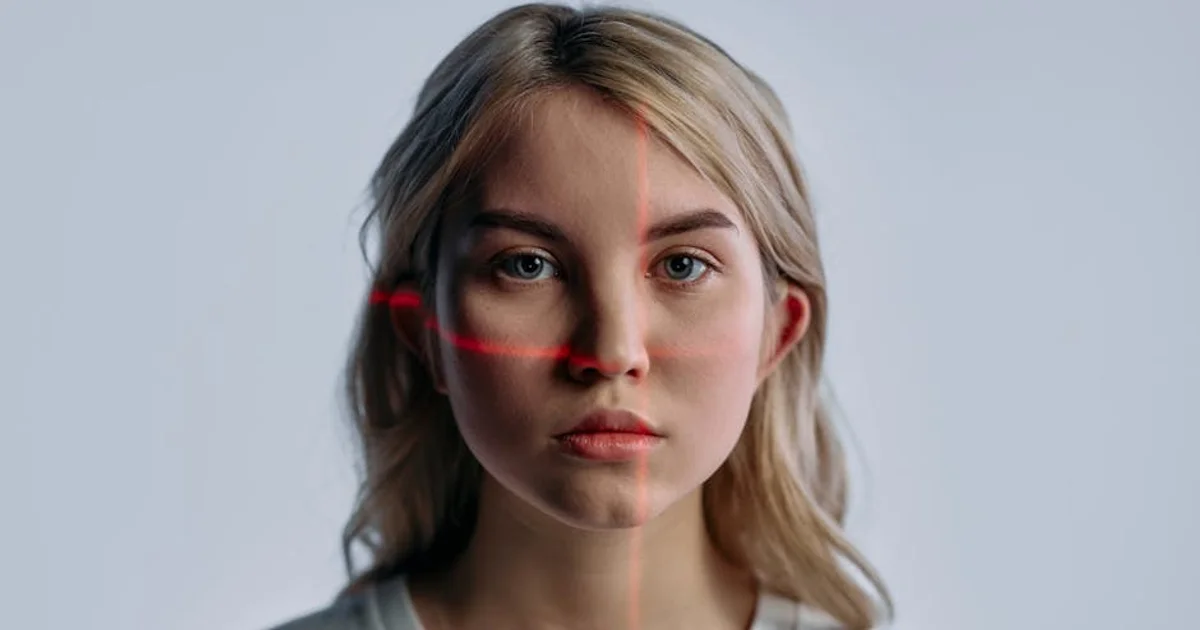
Imagine hearing the voice of a beloved character, only to discover it's not the real deal. For Steve Downes, the iconic voice of Master Chief, this nightmare is a harsh reality. According to IGN, Downes has expressed his discomfort with deceptive AI reproductions of his voice, stating that they 'cross a line that gets into an area I am uncomfortable with.' The veteran actor's concerns are not just about his own voice, but about the potential consequences for the entire voice-over industry.
The world of voice acting is built on trust and authenticity. When audiences hear a familiar voice, they expect it to be the real person behind the character. AI reproductions, no matter how convincing, can blur this line and undermine the very foundation of the industry. Downes' concerns are valid, as these replicas can be used to create fake content, manipulate public opinion, or even scam fans. The voice-over industry is not just about entertainment; it's also about building connections with audiences and creating a sense of community.
As the use of AI in content creation continues to grow, voice actors are facing new challenges. On one hand, AI can help with tedious tasks, such as editing and post-production, freeing up time for more creative work. On the other hand, it can also be used to replace human voices, potentially threatening the livelihoods of voice actors. The voice-over industry is at a crossroads, and Downes' statement highlights the need for a conversation about the ethics of AI in voice acting. According to IGN, Downes' statement is a call to action, urging the industry to take a stand against deceptive AI reproductions and protect the integrity of voice acting.
The impact of AI on the voice-over industry goes beyond just the actors themselves. It also affects the way content is created and consumed. With the rise of AI-generated voices, there is a risk that the unique characteristics and nuances of human voices will be lost. The emotional connection that audiences feel with their favorite characters is rooted in the imperfections and quirks of human voices. AI reproductions, no matter how advanced, cannot replicate the same level of emotional depth and authenticity. The voice-over industry must find a balance between embracing new technologies and preserving the human touch that makes their work so compelling.
As the debate around AI in voice acting continues, one thing is clear: the industry must come together to establish guidelines and regulations for the use of AI reproductions. Downes' statement is a powerful reminder that the voice-over industry is not just about technology; it's about people, emotions, and connections. The future of voice acting depends on finding a way to harness the power of AI while preserving the integrity and authenticity of human voices.
In conclusion, the fight against deceptive AI reproductions is not just about Steve Downes or the voice-over industry; it's about the very fabric of our emotional connections with the characters and stories we love. As we navigate this uncharted territory, we must remember that the human voice is what makes these connections possible. The voice-over industry must take a stand against AI reproductions that threaten to undermine this connection, and instead, find ways to use technology to enhance and celebrate the unique qualities of human voices.
Need an Authentic African Voice?
Professional Nigerian voice-over services for your global projects.
Get a Free QuoteAudio Cleanup Service
Professional audio cleanup for voice actors. Preview before you pay.
Learn MoreFree Voice Type Test
Discover your voice type in 60 seconds. Used by 1000+ voice actors.
Take Free Test