Revolutionary TADA Tech Redefines Voice AI Landscape
Hume AI's open-source speech-language model synchronizes text and audio
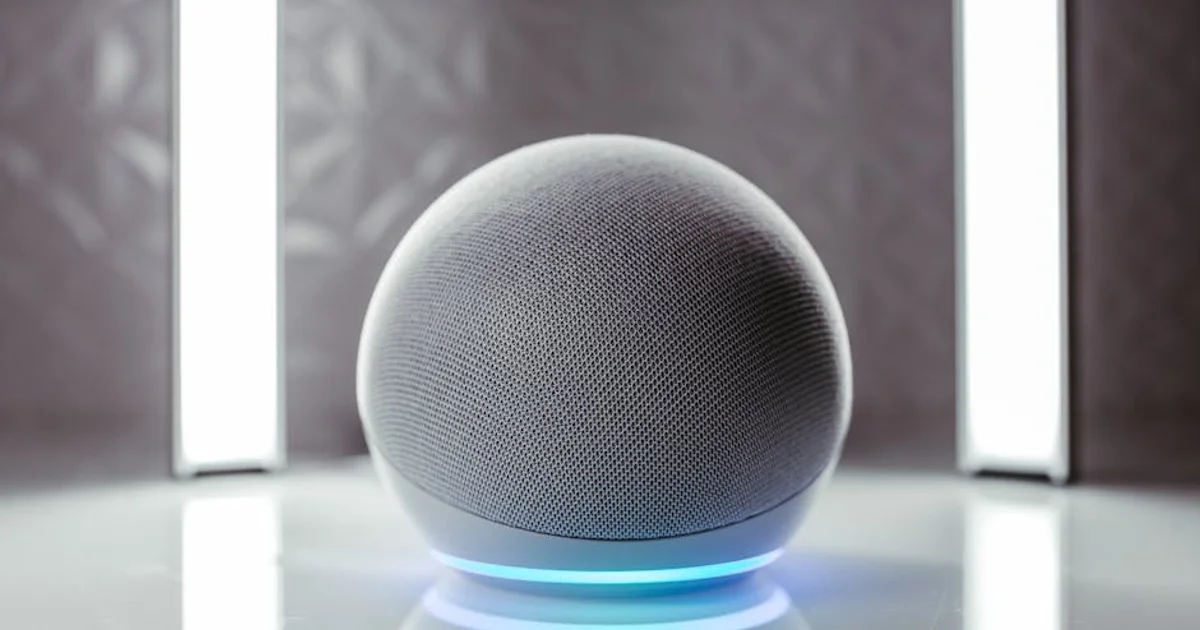
Imagine a world where voice assistants, audiobooks, and animated characters sound almost indistinguishable from humans. A world where the voice on the other end of the line is so natural, you forget it's a machine. This is the promise of TADA, Hume AI's groundbreaking open-source speech-language model that synchronizes text and audio one-to-one. According to Hume.ai, the future of voice AI hinges on sounding natural, fast, expressive, and free of quirks like hallucinated words or skipped content.
The current state of voice AI is limited by the trade-offs between speed, quality, and expressiveness. Today's LLM-based TTS systems are forced to choose between these factors, resulting in voice assistants that often sound robotic or lack the nuances of human speech. TADA aims to change this by providing a fast, reliable, and expressive speech generation system that can revolutionize the way we interact with voice technology.
But what does this mean for the voice-over industry? The rise of TADA and similar technologies will undoubtedly impact the work of voice actors, voice-over artists, and content creators. As voice AI becomes more sophisticated, it may seem like a threat to the livelihoods of those who make a living from their voices. However, this technology also creates new opportunities for voice talent to focus on high-level creative work, such as directing, writing, and producing voice content. Voice actors can now concentrate on bringing characters to life, rather than just providing the voice.
The implications of TADA extend beyond the voice-over industry, with significant emotional and social impacts. For people with disabilities, advanced voice AI can provide more natural and expressive communication tools, enhancing their ability to interact with the world. Additionally, TADA can help preserve languages and cultures by creating more realistic and engaging voice experiences for educational and entertainment content.
As we move forward in this new era of voice AI, it's essential to consider the human element. While TADA and similar technologies will undoubtedly change the way we interact with voice assistants and characters, they also raise important questions about the role of human voice actors in this new landscape. Will we see a shift towards more collaborative work between humans and machines, or will the rise of voice AI lead to a decline in demand for human voice talent? One thing is certain - the future of voice AI is here, and it's up to us to shape its impact on our lives and our industries.
In conclusion, the emergence of TADA marks a significant milestone in the development of voice AI, with far-reaching implications for the voice-over industry and beyond. As we embark on this new journey, it's crucial to remember that the true power of voice lies not in its technological advancements, but in its ability to connect us, to move us, and to bring us closer to each other. The voice-over industry must adapt to these changes, embracing the opportunities and challenges that TADA and similar technologies present, to ensure that the human voice remains at the heart of this revolution.
Original Source:
https://www.hume.ai/blog/opensource-tadaNeed an Authentic African Voice?
Professional Nigerian voice-over services for your global projects.
Get a Free QuoteAudio Cleanup Service
Professional audio cleanup for voice actors. Preview before you pay.
Learn MoreFree Voice Type Test
Discover your voice type in 60 seconds. Used by 1000+ voice actors.
Take Free Test