What is a Home Studio and Why Do I Need One?
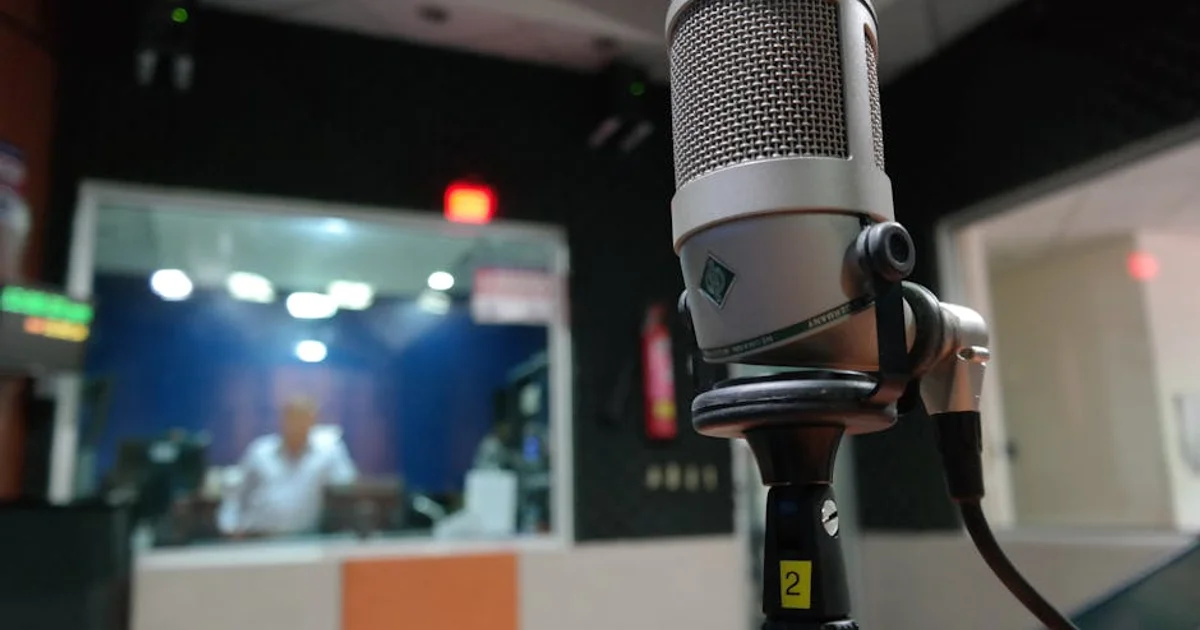
As a voice actor, having a professional home studio is crucial for delivering high-quality voice-overs. A home studio is a dedicated space where you can record, edit, and produce voice-overs for clients. It's essential for any voice actor, especially those with a unique accent like the West African accent.
Benefits of a Home Studio
- Convenience: Record from the comfort of your own home
- Cost-effective: Save on studio rental fees
- Flexibility: Work on your own schedule
Setting Up Your Home Studio
Setting up a home studio can seem daunting, but it's easier than you think. Here are the basic components you'll need:
- Microphone: A good quality microphone is essential for capturing clear audio
- Audio Interface: Connects your microphone to your computer
- Headphones: For monitoring your audio
- Pop Filter: Reduces plosive sounds
- Acoustic Treatment: Reduces echo and reverberation
Choosing the Right Equipment
As a Nigerian voice actor, I've found that investing in good quality equipment is essential for delivering professional-sounding voice-overs. Here are some tips for choosing the right equipment:
- Research: Read reviews and compare prices
- Consider your budget: Invest in equipment that fits your budget
- Seek advice: Consult with other voice actors or audio engineers
Optimizing Your Home Studio for Authentic African Voices
As a voice actor with a West African accent, it's essential to optimize your home studio for capturing the unique characteristics of your voice. Here are some tips:
- Use a microphone that complements your voice
- Adjust your recording levels to capture the full range of your voice
- Experiment with different recording techniques to find what works best for you
Frequently Asked Questions
What is the best microphone for a home studio?
The best microphone for a home studio depends on your budget and personal preferences. Some popular options include the Blue Yeti and the Rode NT-USB.
How do I reduce echo in my home studio?
To reduce echo in your home studio, you can use acoustic treatment such as soundproofing panels or DIY solutions like hanging blankets.
Can I use a home studio for professional voice-over work?
Yes, many professional voice actors use home studios for their work. With the right equipment and setup, you can deliver high-quality voice-overs from the comfort of your own home.
To learn more about our services and to view our portfolio, please visit our website. You can also contact us to inquire about our rates and to discuss your project.